
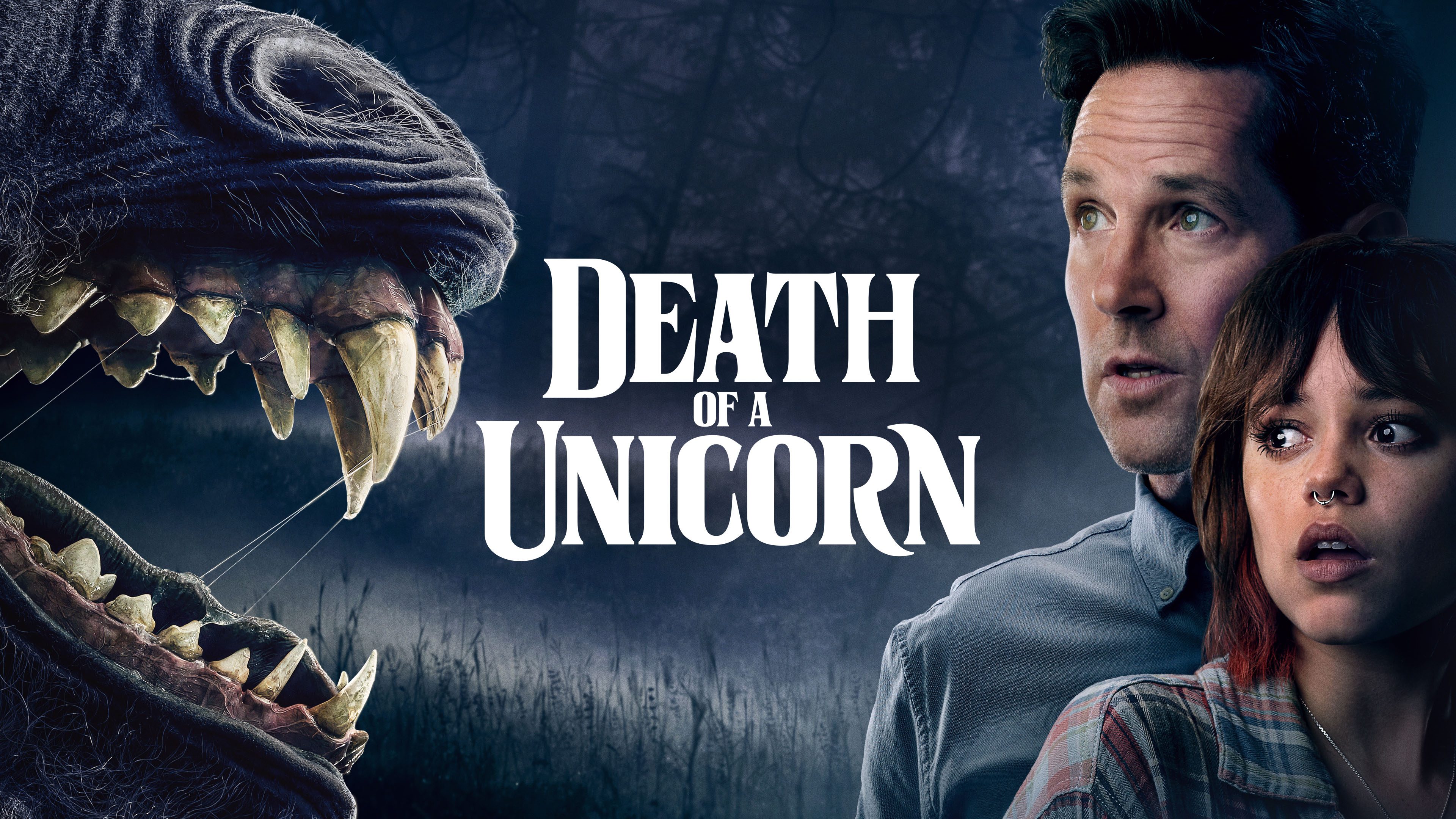
Death Of A Unicorn Shop: The Film That Defies Fantasy Norms
When the trailer for Death Of A Unicorn Shop hit the internet, fans of fantasy cinema braced for another glitter‑filled adventure. Instead, they were greeted with a gritty, surreal world where a struggling shop owner battles bureaucracy, loss, and absurdity. The film refuses the usual sparkle and instead offers a raw, almost documentary‑like look at a marketplace of mythic creatures. If you think you know how a unicorn story should end, this movie will make you rethink the whole premise.
Breaking Fantasy Conventions
The first thing that strikes viewers is the absence of grandiose battle scenes and magical fireworks. Death Of A Unicorn Shop plays with the everyday details of running a shop that sells creatures nobody believes exist. The protagonist, a weary proprietor, deals with overdue rent, a skeptical landlord, and a dwindling clientele. By grounding the fantastical in the mundane, the film asks: what does it mean to monetize myth?
Every set piece feels lived‑in. The shop’s dusty shelves are lined with cracked horns, faded licenses, and handwritten invoices. The director deliberately avoids CGI spectacle, opting for practical effects that make the unicorns appear tired and vulnerable. This choice forces the audience to focus on character and narrative rather than visual excess.
Subverting the Hero’s Journey
Traditional fantasy follows a clear hero’s arc: call to adventure, trials, triumph, and return with a boon. In this film, there is no clear call, only a series of small, crushing setbacks. The shop owner’s journey is not about slaying dragons but about preserving a dying dream. The stakes feel personal, not cosmic, turning the hero’s journey on its head.
The climax does not feature a victorious battle against an evil overlord. Instead, it presents a quiet resignation—a final invoice, a closed sign, and a lone unicorn stepping out into the night. The resolution is bittersweet, leaving viewers to contemplate loss and the fleeting nature of imagination. By refusing a triumphant finale, the film challenges the audience’s expectations of closure.
Visual Storytelling and Practical Effects
One of the most compelling aspects of Death Of A Unicorn Shop is its visual language. The cinematography uses muted colors and handheld camera work to evoke a documentary feel. Shadows dominate the frames, highlighting the stark contrast between the mythic beasts and the dimly lit storefront. This aesthetic reinforces the theme of hidden wonder struggling to survive in a modern world.
Practical effects play a crucial role. The unicorns are crafted from foam, fabric, and subtle animatronics, giving them a tactile, almost fragile presence. Their movements are deliberately limited, emphasizing their vulnerability. The careful attention to texture—mud‑splattered hooves, weary eyes—creates a connection that CGI often cannot achieve in intimate, low‑budget settings.
Why the Film Matters
Beyond its narrative daring, the movie serves as a commentary on creative industries that are forced to commercialize their art. The shop’s battle with a faceless corporation mirrors real‑world struggles of independent creators facing corporate conglomerates. By focusing on a seemingly absurd premise, the film shines a light on broader conversations about authenticity, ownership, and the cost of imagination.
For viewers hungry for fresh perspectives, Death Of A Unicorn Shop offers a rare blend of humor, melancholy, and social critique. It proves that fantasy can be grounded, that magic can be mundane, and that a story about a struggling shop can resonate with anyone who’s ever fought to keep a dream alive. In a genre saturated with predictable tropes, this film stands out as a bold experiment that reminds us—sometimes the most powerful magic is simply staying open to wonder, even when the shop is about to close.


